Certification classes to consider
NCMA Segmental Retaining Wall (SRW) Installer
This 1-day program teaches essential concepts related to the design, construction, and performance of SRWs, providing the knowledge you need to install quality walls. The class covers SRW installation guidelines, materials (Including SRW units and geo-synthetics), soils, compaction and water, planning and equipment selection.
NCMA Advanced SRW Installer
This program is focused on advanced residential and small commercial SRW installation techniques, and is open to NCMA Certified SRW Installers. The program is focused on stairs, corners, pillars, patios, merging retaining walls, roles and responsibilities, etc.
ICPI Concrete Paver Installer
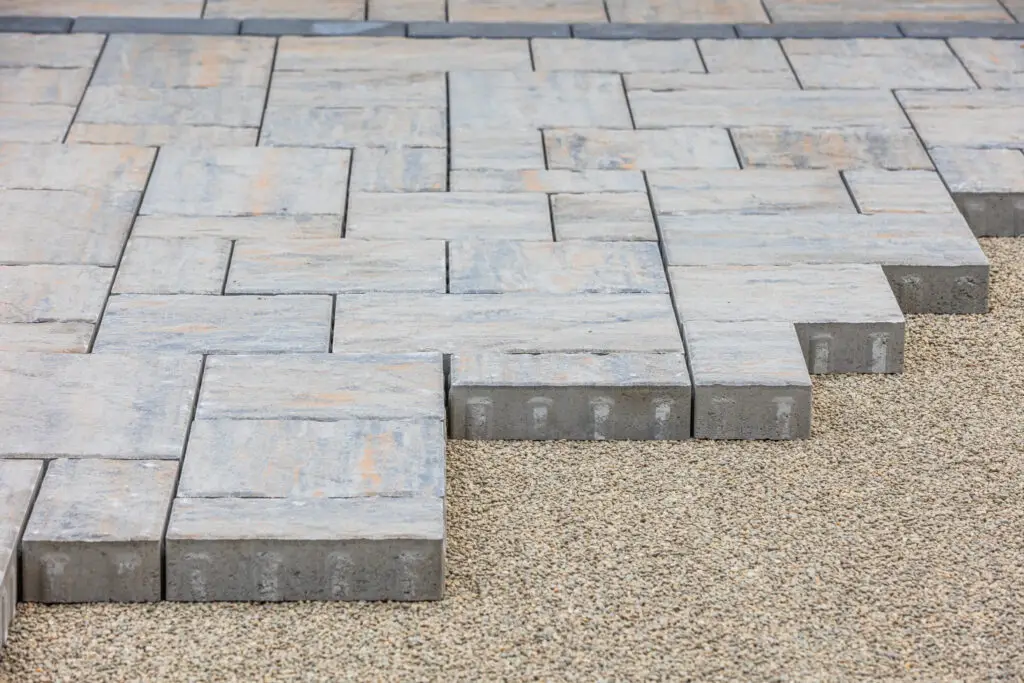
This 2-day course for residential and commercial contractors covers job planning and documentation, job layout, soil characteristics, compaction, base materials, edge restraints, bedding and joint sands, selection and installation of concrete pavers, maintenance and management, specialty applications and construction tips, safety, estimating and job costing and contract basics.
ICPI Residential Paver Technician
This is an advanced level course designed for those who have taken the Concrete Paver Installer Course. The 2-day course covers topics such as basic installation review, overlays, raised and multi-level patios, outdoor fireplaces, outdoor kitchens, grills, pool decks and advanced business practices.
ICPI Commercial Paver Technician
This 2-day course is for foremen and managers in the industrial, commercial, institutional and municipal markets. Topics include stabilized bases, overlays, inlays, rigid applications, roof plaza decks, crosswalks, concrete grid pavements, mechanical installation, contracts, MasterFormat specifications, liens, construction details, plan reading, submittals, retainage, estimating software, on-screen takeoffs and company marketing.
ICPI PICP Specialist
This 1-1/2-day course is for experienced paver contractors who would like to build permeable pavements. Course content includes job planning; documentation and job layout; flow and estimating quantities; soil and site characteristics; sub-base and base materials; edge restraints; bedding and jointing materials; paver selection, installation and maintenance.
Techniseal Certified Applicator
Techniseal offers a 1-day certification program on cleaning, sealing and joint stabilization. The program covers polymeric sand, joint stabilizing sealant, various stain removers and cleaners, film-forming and non-film-forming protectors, and basic starting tools. Attendees gain an understanding of the products, their applications, installation techniques, business opportunities and marketing.
Visit www.icpi.org, www.ncma.org and www.techniseal.com
In the fall of 1999, I was watching an HGTV show about a concrete paver patio installation. At the conclusion of the project the host said, "Make sure you hire an Interlocking Concrete Paver Institute (ICPI) certified contractor."
At that time, I had never heard of ICPI. I decided to do a little research, and after learning more about the certification program I decided to sign up. At that time, the classes weren't widely available, so I had to travel from NH to Orlando, FL to take the class at the January 2000 World of Concrete Show.
The class turned out to be quite an eye opener for me. The 2 main points that I took out of the class changed my business forever.
- First, I learned that I did not own the proper compaction equipment to ensure the quality of my installations. My compactors weren't powerful enough to achieve the 98% proctor density you really need. I purchased the right compacting equipment almost 12 years ago, and my callbacks have been virtually eliminated.
- Second, I learned that I was completely inefficient in the way I was cutting pavers. Learning how to cut pavers in place on the sand setting bed has saved me thousands of hours of labor.
I learned a lot more including a greater respect for the "system." My instructors, David Smith from ICPI and Russ Heitman, a contractor from Detroit, did a great job explaining that an installation is a system of components. Each component must meet certain specifications because if any 1 component of the system fails, the entire system will fail.
As a student, my class fee and travel expenses were made back in the first few projects after I became certified. I was so impressed that I became an ICPI and NCMA certification instructor and now spend the off-season teaching classes.
Killer walls, $350, researchers and "Pro" benefits
So, here we are 12 years later with 14,000 ICPI certified contractors across the country. If you are not one of the 14,000, the question is: Should you invest the $350 and 2 full days of classroom study for certification?
My answer is an emphatic "Yes." If you take away just 2 or 3 ideas from a class that helps you become more efficient and profitable, the experience will be worth it.
I feel the same way about NCMA retaining wall certification classes. It is critical for understanding the SRW system, its components, soils and geometry. It's critical for preventing failures, and it's critical because this system – if installed incorrectly – could kill someone.
Certification sets you apart from other contractors. Due to the internet, today's homeowner is highly educated about products, manufacturers and certifications. Some homeowners ask if you are certified. Others find out who's certified first, and if you're not, you won't hear from them.
Many major manufacturers offer "Pro" programs that provide significant additional benefits to certified contractors. These benefits include referrals, special product pricing and co-op advertising programs.
Attending class
Contractor students in certification classes are bombarded with facts, figures and specifications that they will need to remember for the exam at the end of the class. Students tell me they learn just as much, if not more, from the discussions that occur.
While the ICPI and NCMA certification classes are universal to all parts of the country now, I do have one recommendation for signing up: Make sure one of your instructors is an installation contractor. Contractor instructors have the day-to-day experiences that we run into on the construction site. Not all sales reps, industry consultants, and civil engineers have installation experience.
Check out www.ICPI.org and www.NCMA.org for classes in your area to save on travel expenses. And be sure to include educational opportunities for you and your staff in your yearly budget.
I hope you let certification classes change your business like they've changed mine. Bill Gardocki is the owner of Interstate Landscape Co., Inc. in Londonderry, NH. He has been installing hardscapes for over 30 years. Bill has taught over 75 classes as an ICPI and NCMA Certification Instructor. He also provides hardscape installation seminars to sales reps in the hardscape and softscape industry. Contact Bill at Bill@InterstateLandscapeNH.com.
Project Profile
There's more where that came from!
Sign-up for our free newsletter to get industry news, advice from experts and project features in your inbox.


%20(2).png)
.jpg)