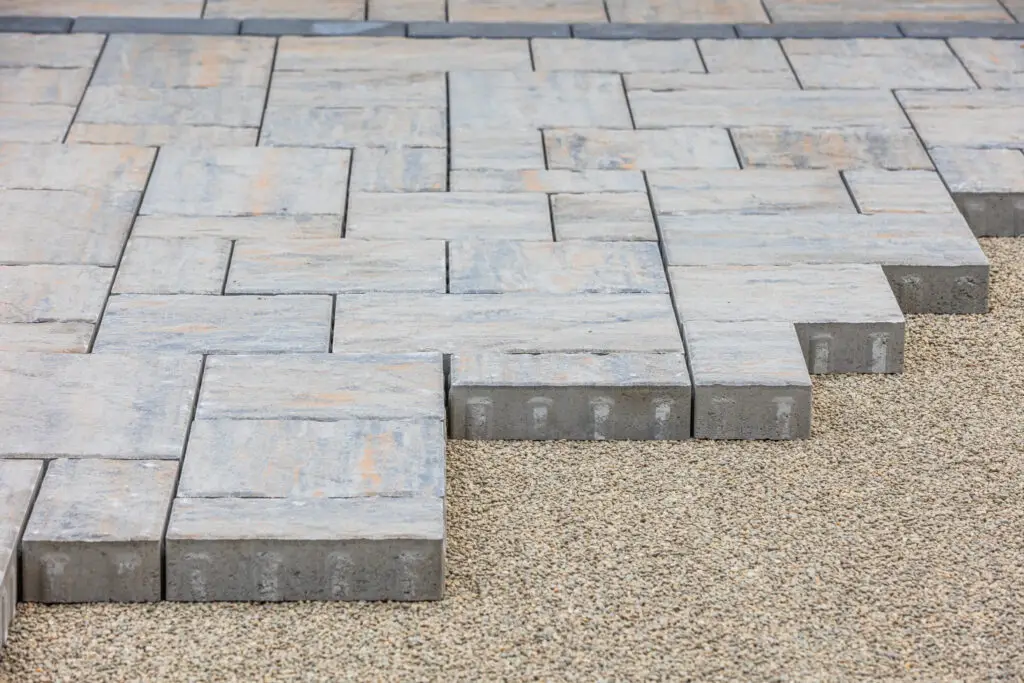
Polymeric sand is a popular type of jointing sand activated by water. But water can also be its undoing. So, while there's much more to a polymeric sand installation, dealing with water is one of the most critical issues you face. It is also the focus of this article adapted from the Techniseal Applicator Certification Program. The 1-day program covers the complete installation process for polymeric sand, paver cleaning and sealing.
Polymeric sand is a mix of graded sand and binder swept into joints dry. Wetting activates the polymer binding agents. Allowed to dry, polymeric sand becomes almost as hard as concrete but remains flexible to move with the pavement.
Editor's note:
I've been on photo shoots at fabulous $500,000+ landscape projects and wished I had a broom to sweep away ant hills growing from the cracks of dry-laid pavers. You can feel the grit of sand washed to the paver surface where it will be tracked into the residence and ground into polished floors.
As I pull weeds to get them out of the picture frame, I get embarrassed for the contractor who installed the project, and who is now showing me around to see the great work they've done. Behind the scenes, the customer decides pavers were a bad idea and discourages others from hiring you.
Joint sand stabilizers solve these problems. Pavers stay neat and perfect - no ant mounds, no weeds, no sand migration. The customer is happy, your reputation is upheld - and you up-sell your job. Using joint sand stabilizer makes sense.
Avoid wet applications
Before installing, consider the application to choose the best polymeric sand for the job. Pavers installed around or near a water source such as a lake, a swimming pool, a fountain etc. often have frequent water contact. For example, Techniseal recommends using their HP sand over their other stabilizer sands because it's more suited to those conditions.
Concrete overlays, heavily shaded or moist areas may prevent any polymeric sand from drying and setting properly. These conditions may require the use of a joint-stabilizing sealant instead. This product will bind the jointing sand while also sealing out moisture and protecting the paver surface.
Control the environment
Because managing later exposure is so critical, check to make sure no rain is forecast and that sprinklers are turned off during the initial drying period. For many polymeric sands this will be something like 12 hours. Techniseal recently introduced the RG+ polymeric sand that greatly reduces the wait time. This product actually stops absorbing water when it has enough and will resist rain after 90 minutes.
Excess water during the initial drying phase will cause the binder to run off and prevent the polymeric sand from solidifying. Since polymers are lighter than water, they will rise to the surface and create a fragile crust on top, leaving only loose sand below, without polymers. Again, because Techniseal's RG+ starts repelling water when it has enough, runoff is not an issue for this product.
Also, don't start putting sand down until the paver surface is perfectly dry. Moisture could activate the polymers making the sand stick to the paver surface staining it. For this same reason, all polymeric sand should be removed from the surface before you begin the wetting process. Use a leaf blower at an angle to remove polymeric dust.
Get misty
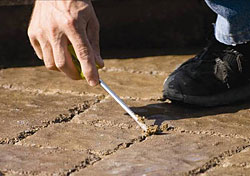
With the sand swept in, the surface blown clean and compacted, it's time to start misting to activate the polymeric sand. This is the most crucial step in the installation. Only the most experienced and reliable crew members should be involved in the misting.
Mist in small sections, and complete each section before moving on to another. (Techniseal recommends sections of 500 sq. ft. or 250 sq. ft. depending on which of their polymeric sands you use.) It takes too long to mist large surfaces at one time; the product starts to dry as water evaporates before it has time to penetrate. This is especially true in warm and dry weather.
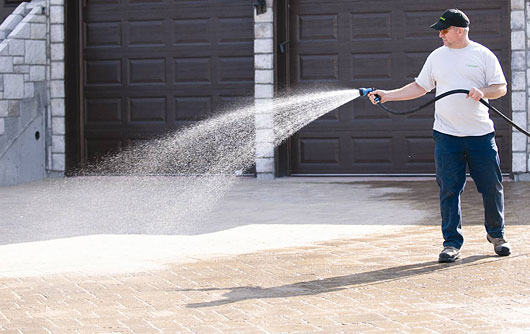
Produce a very fine mist so that water falls gently, moistening the whole section lightly in a continuous manner so that the spray does not displace sand or cause run-off.
Drying time
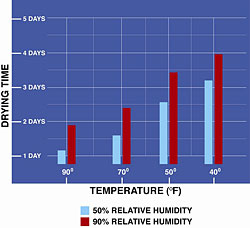
To ensure optimal cohesion and long-term stability, polymeric sand must dry completely after the initial misting. In cases where an installation could be exposed to water during the first 12 hours (for most polymeric sands), protect it with a tarp. Remove the tarp as soon as the risk of rain is past.
Polymeric sand will bond and harden within 24 hours (at 70oF and 50% relative humidity), but needs much more time to cure completely. Curing refers to the toughening or hardening of a polymer material brought about by chemical additives, ultraviolet radiation or heat. Techniseal polymeric sands need about 30 days to get to the point where they stop reacting and are completely stable. Efflorescence Cleaner should not be used before the end of the curing period even though the joints look dry.
Damp, cool weather extends the drying period leaving polymeric sand joints more vulnerable to rain. Polymeric sand dries quickly in hot, dry conditions, but does not cure effectively since moisture helps the sand cure stronger. If it stays hot and dry, the homeowner should periodically mist the sand during the first month.
Get certified
Techniseal has offered its Applicator Certification Program for paver installers since spring 2006. The program gives you the skills needed to make paver cleaning, sealing and sand stabilization services profitable from the start. By getting trained, you avoid years of costly trial and error. Certification also serves as a marketing tool for your business establishing your credibility as a professional applicator. The program lasts a full-day followed by a short exam. For more information, contact Techniseal at (800) 465-SEAL, info@techniseal.com or contact your Techniseal representative.
Project Profile
There's more where that came from!
Sign-up for our free newsletter to get industry news, advice from experts and project features in your inbox.


%20(2).png)
.jpg)
.jpg)